

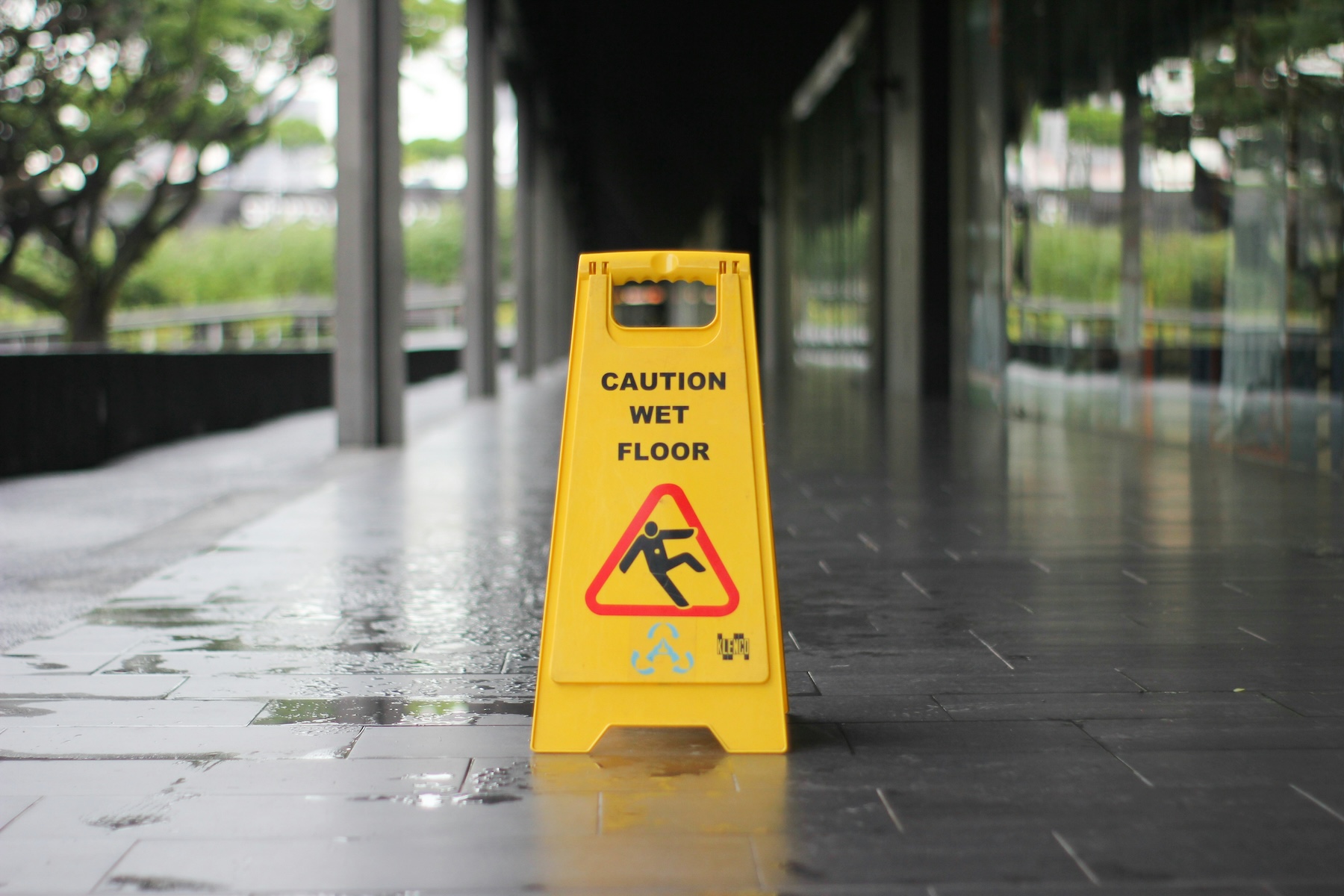
If you were injured in a slip and fall or trip and fall accident in Athens, Georgia, you may have a personal injury claim against the property owner.
Falls often happen in everyday places—grocery stores, apartment complexes, parking lots, and sidewalks—when hazards like wet floors, uneven surfaces, or poor lighting are ignored.
Under Georgia law, property owners must keep their premises reasonably safe. When they fail to do so and someone is injured, they can be held responsible.
We represent people in Athens and throughout Georgia in slip and fall / trip and fall cases. We fight to secure full and fair compensation for your injuries. Contact us for a free consultation about your case. There is no fee unless we win.
Slip and Fall Accidents in Athens, Georgia
Slip and fall and trip and fall accidents are the most common types of premises liability claims in Athens and often result from hazards that should have been fixed or warned about. We also handle related injury cases such as scalding hot water burns, propane tank explosions and gas line explosions.
Examples of Dangerous Property Conditions
Common causes of slip and fall / trip and fall accidents include:
- Wet or slippery floors in stores and restaurants
- Spilled liquid or food
- Unsafe or broken stairs
- Lack of proper railings
- Torn carpeting or loose flooring
- Poor lighting in walkways and stairwells
- Uneven and broken sidewalks and parking lots
- Ice or snow
Do I Have a Slip and Fall Case in Georgia?
To recover compensation in a fall case, you generally must show:
- A dangerous condition existed
- The property owner knew or should have known about it
- They failed to fix it or warn about it
- You were being careful and did not see the hazard
- The hazard caused your injury
These cases often come down to whether the property owner had superior knowledge of the hazard.
What Does Premises Liability Mean?
The legal term for cases where people are injured on a business or person’s property is “premises liability.” Slip and fall / trip and fall cases are the most common premises liability cases.
Under Georgia law O.C.G.A. 51-3-1, businesses and people who own, lease or rent property have a legal duty “to exercise ordinary care in keeping the premises and approaches safe.”
If they fail to do so and someone is injured or dies as a result, the victim or their family can take legal action to win damages.
Types of Slip and Fall / Trip and Fall Cases
Under Georgia law, there are two different types of cases: foreign substances and static defects.
Foreign Substance Slip and Fall Cases
Foreign substance slip and fall cases involve a hazard like water, grease, or food on the floor. These cases often turn on whether the business had time to discover and clean up the hazard.
Learn more here: slip and fall cases involving foreign substances.
Static Defect Slip and Fall Cases
Static defect slip and fall / trip and fall cases involve hazards such as uneven pavement, broken stairs, or loose flooring. These cases often focus on whether the property owner failed to fix a known dangerous condition.
Learn more here: trip and fall cases involving static defects.
Georgia Law on Slip and Fall / Trip and Fall Cases
In Robinson v. Kroger, 268 Ga. 735 (1997), the Georgia Supreme Court ruled that
“in order to recover for injuries sustained in a slip-and-fall action, an invitee must prove (1) that the defendant had actual or constructive knowledge of the hazard; and (2) that the plaintiff lacked knowledge of the hazard despite the exercise of ordinary care.”
In plain English, this means that you must prove:
- The property owner knew or should have know about the hazard that caused your fall
- You were being careful and did not see the hazard
What Compensation Can You Recover?
If you were injured in a fall, you may be able to recover the following compensation:
- Medical expenses
- Lost income
- Pain and suffering
- Future medical care
- Compensation for permanent impairment
Slip and Fall Settlements
We have won significant settlements for clients injured in slip and fall and other premises liability cases, including:
- $950,000 settlement: Trip and fall at an Athens business caused by a curled entrance mat; liability was denied and the insurance company initially offered $0
- $300,000 settlement: Slip and fall on stairs at apartment complex caused by dangerous and unsafe stairs
- $120,000 settlement: trip and fall caused by pothole in grocery store parking lot
Every case is different and your results may vary, but these results are real examples of the good work that we do for our clients.
Free Consultation
Contact us for a free consultation about your case. We handle slip and fall cases on a contingency fee basis. You pay nothing upfront, and we only get paid if we recover compensation for you.
We guarantee that you will receive more of the recovery than we do in attorney’s fees. If necessary, we will reduce our fee to make sure that happens.
Frequently Asked Questions
How long do I have to file a slip and fall claim in Georgia?
Two years. The legal deadline to settle or file your personal injury claim is called the statute of limitations.
What if there was no warning sign?
You may have a case. Property owners have a legal responsibility to warn or fix hazards. If they knew about the hazard or it was there long enough that they should have known about it, they should have fixed it or put up a warning sign.
What if the business says they didn’t know about the hazard?
This is a common defense. In a slip and fall case you must prove that the business had actual or constructive knowledge of the hazard. This means that they knew about the hazard (actual knowledge) or they should have known about it (constructive knowledge).
You can prove constructive knowledge by showing that the business did not have an inspection routine, that it was not followed, that an employee was near the hazard and could have seen it. You can also prove that the hazard was there long enough that the business should have discovered it, which Georgia law generally says is 15-30 minutes in a retail store.
What if I was partially at fault for the fall?
You may still have a case. The jury determines whether you and the business were at fault and assigns you both a percentage of fault. Your compensation is reduced by the percentage of fault assigned to you. However, if the jury finds you 50% at fault or greater, you lose.
Do I need a lawyer for a slip and fall case?
In many cases, yes. Slip and fall claims can be difficult to prove and are often contested by businesses and their insurance companies. Having a lawyer can help gather evidence, address defenses, and present the case effectively.
Learn more here: when do I need a personal injury lawyer.


